Wasleys Renewable Natural Gas Facility
The Wasleys Renewable Natural Gas Facility is Australia’s first commercial-scale agricultural renewable gas facility, to be built at the SunPork piggery at Wasleys, north of Adelaide. The project will convert pig effluent (liquid wastewater) into pipeline-quality renewable natural gas (RNG), providing a sustainable, locally-produced energy source for South Australian gas users.
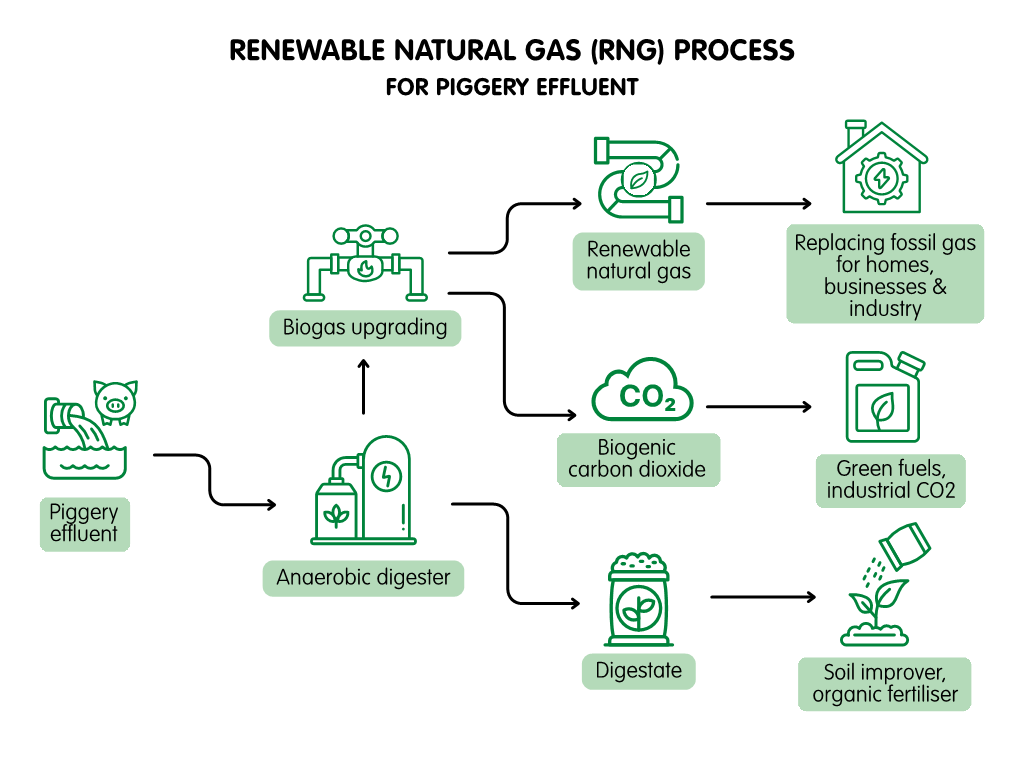
The Wasleys facility will use a proven and safe treatment method known as anaerobic digestion to break down piggery effluent. This process will capture the biogas produced from the breakdown of organic matter, preventing greenhouse gas emissions from being released into the atmosphere. The facility will then upgrade the biogas to RNG, a like-for-like replacement for natural gas that can be supplied to natural gas users across South Australia.
The project is being delivered by LMS Energy, through its subsidiary Helmont Energy, in partnership with SunPork.


About the project
The Wasleys RNG Project will capture and clean the biogas from the piggery’s effluent pond, producing a sustainable supply of RNG for the South Australian gas grid.
This will be Australia’s first commercial-scale agricultural RNG facility of its kind, with initial capacity to generate approximately 40 terajoules (TJ) of RNG, enough to meet the needs of an estimated 2,000 South Australian homes.
Biogas production at piggeries isn’t new. The innovation lies in upgrading the biogas to pipeline-quality RNG and injecting it into the natural gas distribution network, displacing fossil natural gas with a renewable alternative.
The release of biogas from uncovered piggery effluent ponds is the largest source of greenhouse gas emissions for the pork industry.
The project will reduce SunPork’s greenhouse gas emissions, displace conventional fossil fuels and provide residents of South Australia with a sustainable energy source.
LMS Energy will build, own and operate the landmark project, pioneering the supply of RNG, which will start replacing conventional natural gas.
The Wasleys RNG Facility has received funding from the Australian Renewable Energy Agency (ARENA) as part of ARENA's Advancing Renewables Program.
How does it work
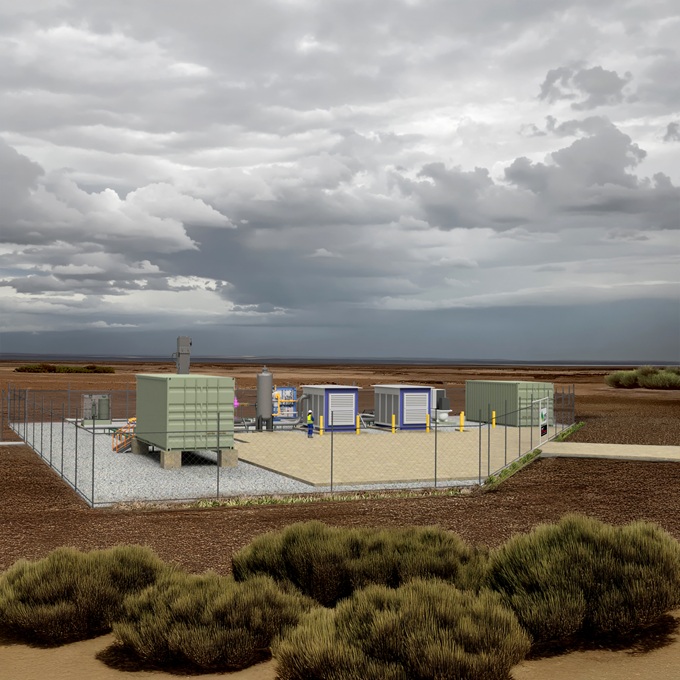
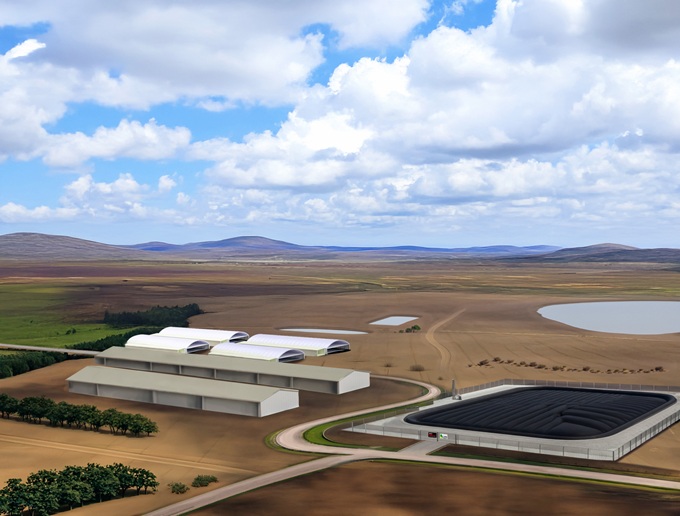
Piggery effluent will be pumped directly from the piggery sheds into a large, purpose-built covered anaerobic lagoon (CAL). The cover will capture the biogas released from the effluent as it undergoes anaerobic digestion. The biogas will be processed through membrane upgrading technology to produce RNG, which will be injected into a South Australia’s natural gas distribution network, ready for everyday use.
RNG is interchangeable with conventional natural gas, so it can be supplied directly into the existing gas network, replacing fossil gas. Households and businesses alike in South Australia will be able use RNG like conventional natural gas – for industrial heating applications, as well as powering cooktops, water heaters and gas fireplaces.
Key Benefits
Circular economy solution for livestock effluent management
Reduces pork production greenhouse gas emissions
Creates jobs and investment in regional Australia
Provides energy security through local, renewable gas production
Demonstrates commercial viability of agricultural biomethane in Australia
Contributes to Australia’s renewable energy and emissions reduction targets
Safety & operations
24/7 monitoring
Proven technology with LMS Energy’s 40-year record of reliable operations
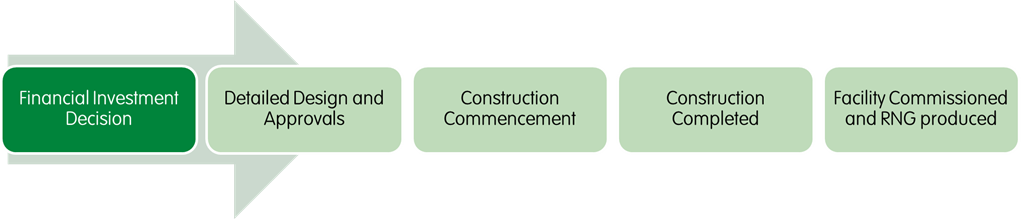
Timeline
Contact
For more information contact:
The Wasleys RNG Facility has received funding from the Australian Renewable Energy Agency (ARENA) as part of ARENA's Advancing Renewables Program.
The views expressed herein are not necessarily the views of the Australian Government, and the Australian Government does not accept responsibility for any information or advice contained herein.